THC, total THC and what a potency label can tell you
Understand cannabinoid names, percentage versus milligrams, total THC calculations and why test results have limits.
In this story
Before you dive in.
THC, THCA and total THC are different entries; check the exact label wording.
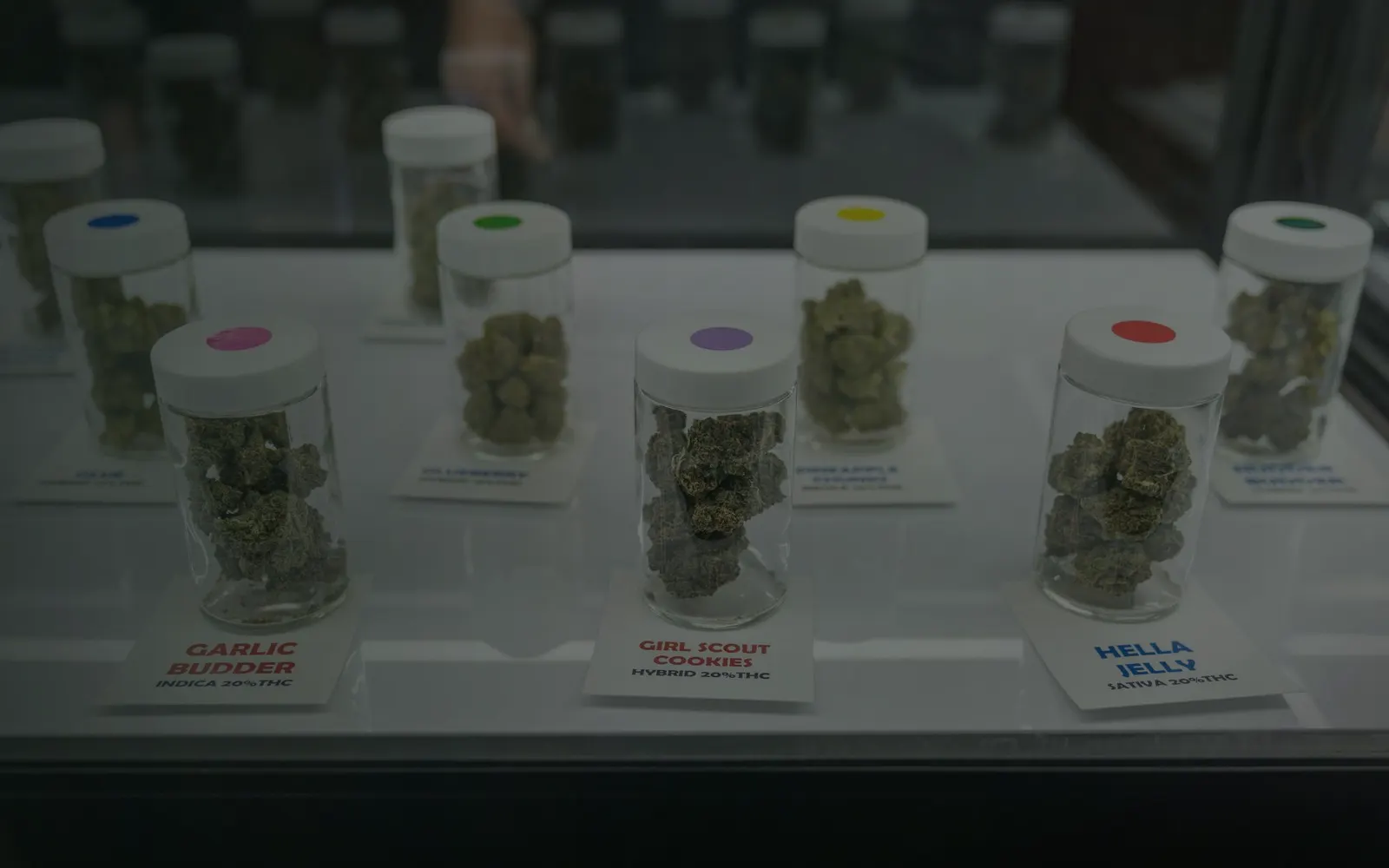
Percentages describe concentration, while milligrams describe an amount.
A laboratory result is useful evidence, but it is not an exact prediction of an individual's experience.
Read the cannabinoid name in full
A large THC number can hide an important distinction. A report may separately list delta-9 THC, its acidic form THCA, and a calculated total. Washington's testing rule requires laboratories to report both acidic and neutral forms and specifies a calculation for total delta-9 THC. Washington WAC 314-55-102
Start by copying the complete heading, including any delta number and the word total. If the package uses a shorter label than the laboratory report, ask which reported value it represents. Treat differently named entries as different measurements until the documentation connects them.
Understand the total THC calculation
Washington calculates total delta-9 THC as delta-9 THC + (0.877 × delta-9 THCA). Using matching units, a hypothetical result of 1% delta-9 THC and 20% delta-9 THCA gives 18.54% total delta-9 THC. Simply adding the two percentages would give the wrong answer for this formula. Washington testing rule
Do not assume every state's term total THC includes exactly the same compounds. California's definition, for example, includes delta-8 and delta-9 forms. Check the jurisdiction and the report's definitions before comparing totals. This is a calculation of cannabinoid content, not a measurement of a person's response. California DCC, section 15700
Compare matching units and quantities
Percentage expresses a share of the product's weight. Milligrams express an amount. Washington's consumer guide explains why flower and concentrates commonly show percentages while edibles show milligrams. For an edible, read both the amount per serving and the amount in the whole package.
For example, a hypothetical five-serving package labeled 4 milligrams per serving contains 20 milligrams total. That arithmetic describes the label; it is not a suggested serving. Similarly, 20% by weight converts to 200 milligrams per gram, but comparing that number directly with a single edible serving ignores the different quantities and product forms.
Understand why testing is not perfect
A reported number depends on the sample and analytical work behind it. An Oregon regulator comparison found differences between commercial laboratory results and the state's reference laboratory. The report discusses testing methods and how representative the samples were as possible confounding factors. Its findings concern the products examined, not every product nationwide. Oregon OLCC technical report
Standardization helps address consistency. California requires a standardized cannabinoid method for dried flower, including non-infused pre-rolls, as described in its laboratory FAQ. A useful practical inference is to avoid treating a tiny numerical difference between two labels as decisive evidence that the products will feel different.
Put the number back in context
Potency is only one part of the record. Check the product form, ingredients, warnings and batch-linked Certificate of Analysis. Washington's label guide explains that the COA contains contaminant results as well as cannabinoid information. A high THC percentage does not answer whether those other tests passed.
When something looks inconsistent, write down the exact figures, units and batch identifiers and request an explanation. A clear comparison starts with matching definitions and quantities. State labeling rules differ, so use your own regulator's current resources for local requirements instead of treating an example from another state as a universal rule.
Sources & further reading.
- Washington — WAC 314-55-102, Cannabis Quality Control Testing
- California DCC — Regulations, section 15700
- Washington LCB — Understanding THC Concentration and Potency
- Oregon OLCC — Evaluating Compliance, Potency, and Pesticides
- California DCC — Standard Cannabinoid Test Method FAQ
- Washington LCB — Reading a Product Label