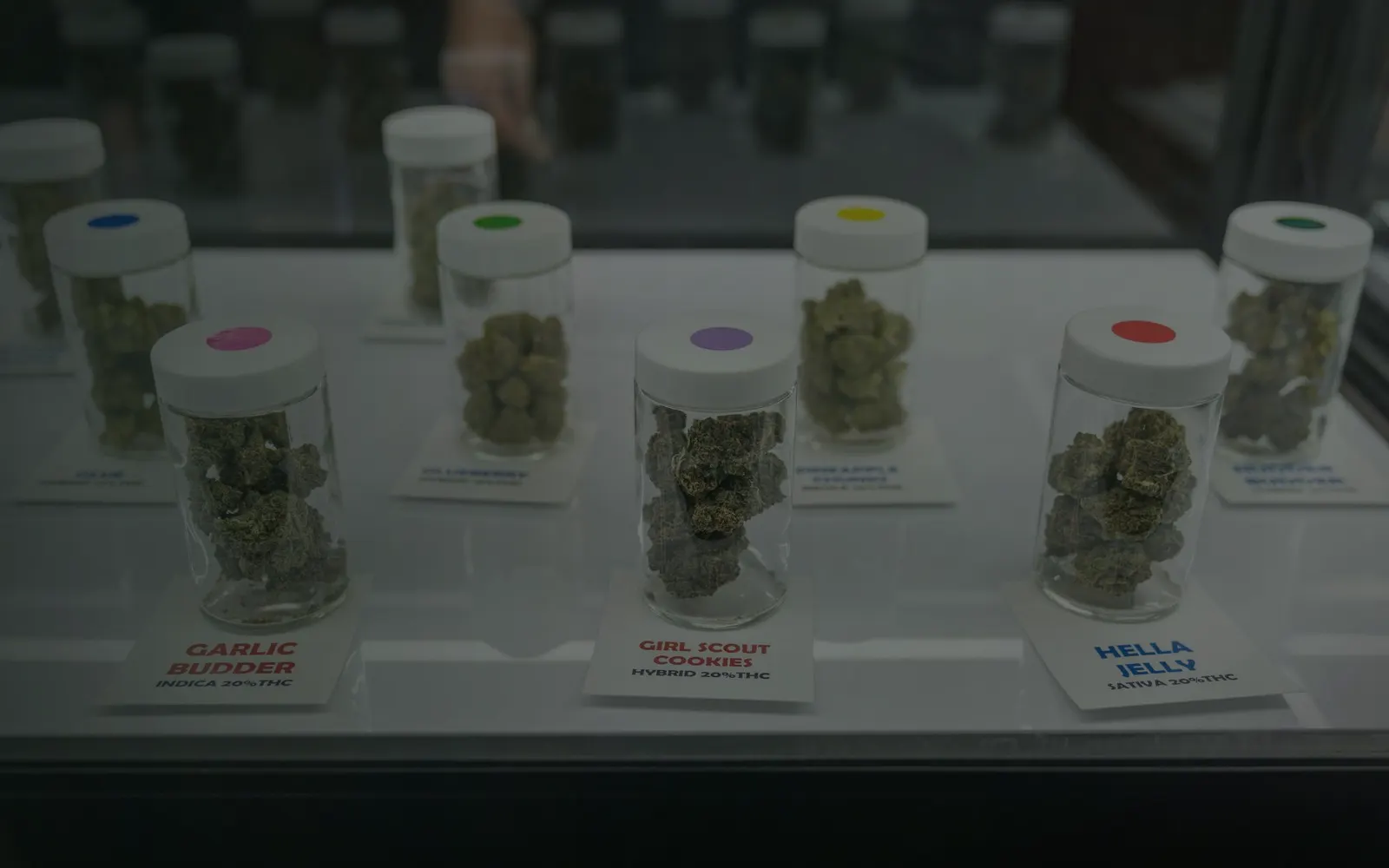
How to read a cannabis Certificate of Analysis
A practical guide to batch IDs, cannabinoid results, contaminant screens and the limits of a cannabis lab report.
In this story
Before you dive in.
Match the report to the product and batch before interpreting any result.
Read the contaminant panels as carefully as the cannabinoid numbers.
A passing result has a defined scope; it is not a guarantee of zero risk.
Start with the product, not the percentage
A Certificate of Analysis, usually shortened to COA, records laboratory results for a cannabis sample. Begin by checking the product name, product form and batch or lot identifier against the package. Then find the collection date, reporting date and report status. New York's regulator explains these fields in its COA reading guide.
A familiar brand name is not enough to establish a match. If the report describes flower but the package contains an infused product, or the batch numbers differ, ask the retailer for the corresponding report. Keep the package and report together while checking; this makes mismatches easier to spot.
Read the units beside the cannabinoids
The cannabinoid panel lists compounds such as THC and CBD. Read the column headings before comparing numbers: percentage, milligrams per gram, milligrams per serving and milligrams per package answer different questions. Washington's potency explainer distinguishes percentage labeling for flower and concentrates from milligrams used for edibles.
For a simple arithmetic example, 10% by weight equals 100 milligrams per gram. A hypothetical package containing ten servings labeled 5 milligrams each contains 50 milligrams in total. Neither example establishes a recommended amount to use. Also check whether the report says THC, THCA or total THC; do not substitute one heading for another.
Look beyond potency
Find the contaminant testing sections and their outcomes. Washington's test-results guide describes screens for pesticides, microorganisms, mycotoxins, foreign matter and residual solvents, alongside water activity and potency. These tests address different questions; a cannabinoid percentage cannot answer whether a contaminant screen passed.
Read each result beside its stated limit and unit. New York explains that a contaminant test can pass when a detected amount falls below the state's limit. A pass therefore does not necessarily mean zero was present. The relevant tests and limits depend on the state program and product category. New York OCM
Decode ND, LOQ and NT
Use the report's legend. California's reporting rules distinguish ND, meaning not detected or below the method's detection limit; <LOQ, for a detected amount below the quantitation limit; and NT, for a test not performed. Cannabinoid reporting has additional rules. These abbreviations are not interchangeable. California DCC, section 15726
The limit of quantitation is the lowest amount a method can measure accurately, as New York OCM explains. ND is not proof of absolute absence, and NT is not a passing result. If a key is missing, ask the laboratory or retailer to explain the notation rather than guessing.
Treat the COA as evidence with boundaries
The report documents testing, not every future condition of the product. Washington's regulator notes that cannabis can change after exposure to air or other contaminants, so a COA does not remain accurate indefinitely. Its label guide also explains how consumers can request laboratory information and quality assurance results.
For an incomplete report, unexplained failure or mismatched batch, request clarification before relying on it. Save a copy and check the relevant state regulator's current guidance. These reading steps are useful across reports, but one state's requirements should never be assumed to apply everywhere.